An LED retrofit saves energy, but it leaves you with a stack of old fluorescent tubes and, often, a box of ballasts. Most fluorescent tubes contain mercury, so for a business they usually can't just go in the dumpster. Here's how to handle them without hiring a hauler.
1. Don't break or crush the tubes
Keep the tubes whole. Federal rules let businesses manage used lamps as universal waste, a simpler set of rules than full hazardous waste, and crushing lamps can take you out of those simpler rules in many states. Broken tubes also release mercury vapor. If one breaks by accident, clean it up right away and seal the pieces in a closed container.
2. Label the box and write down the date
Under federal universal waste rules, each lamp or the container holding them must be marked "Universal Waste—Lamp(s)," "Waste Lamp(s)" or "Used Lamp(s)" (40 CFR 273.14). Note the date the tubes came out of service.
3. Recycle within one year
A small quantity handler can keep universal waste for no longer than one year from the date it was generated (40 CFR 273.15). After a retrofit, the simplest move is to ship everything out right away instead of letting the boxes sit in a storage room.
4. Check the ballasts for PCBs
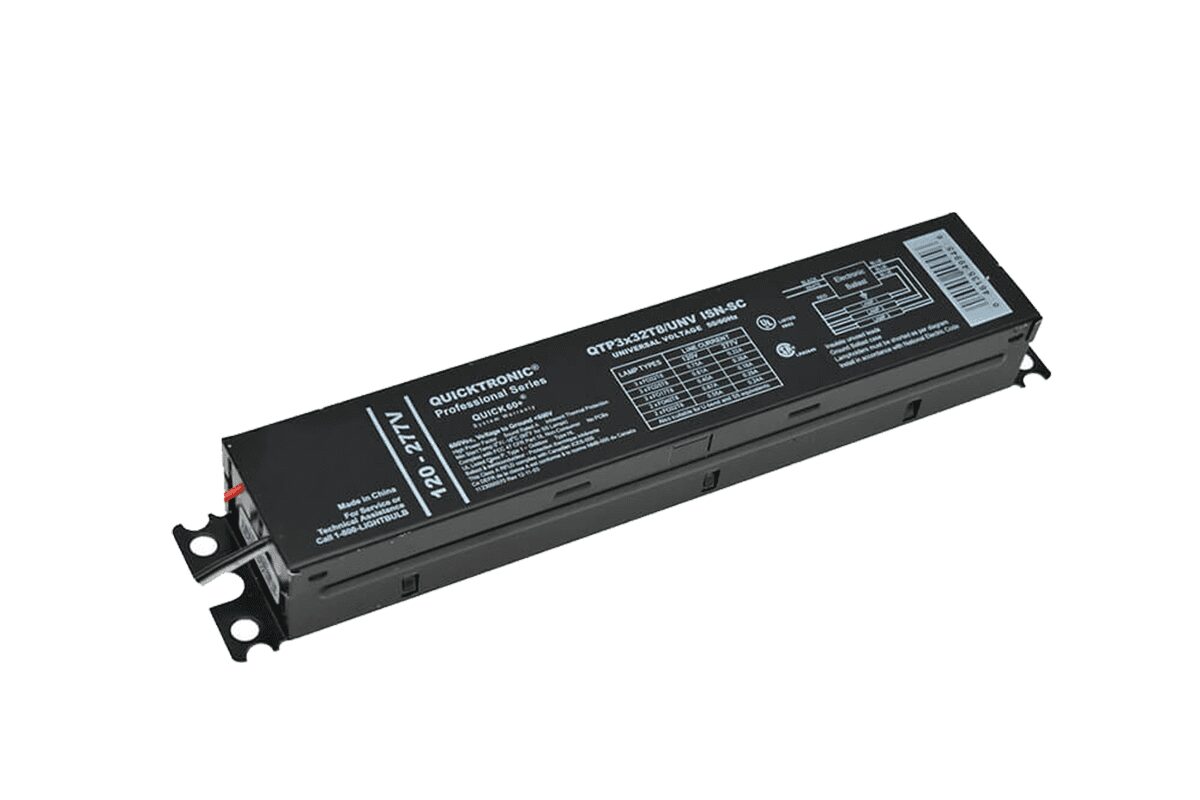
Older magnetic ballasts can contain PCBs. EPA says fluorescent ballasts made through 1979 may contain PCBs, ballasts made from 1979 to 1998 without PCBs should be labeled "No PCBs," and if a ballast isn't labeled "No PCBs," you should assume it contains them (EPA). Keep ballasts intact and separate from the tubes.
5. Check your state's rules
States can be stricter than the federal rules. California, for example, doesn't let any home or business put fluorescent lamps in the trash. Find your state on our state-by-state guide.
Which kits you need after a retrofit
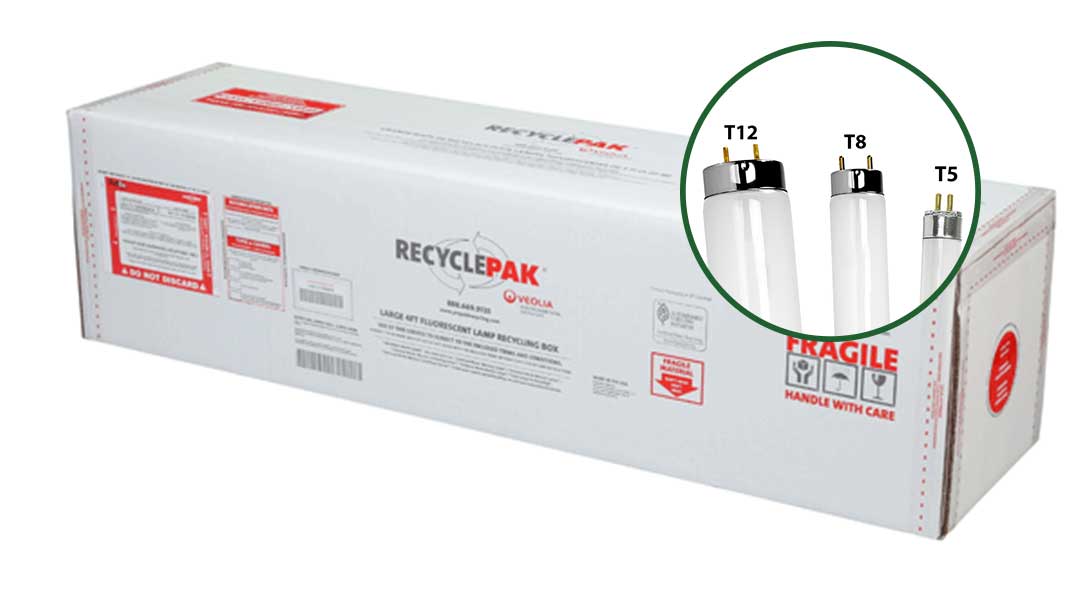
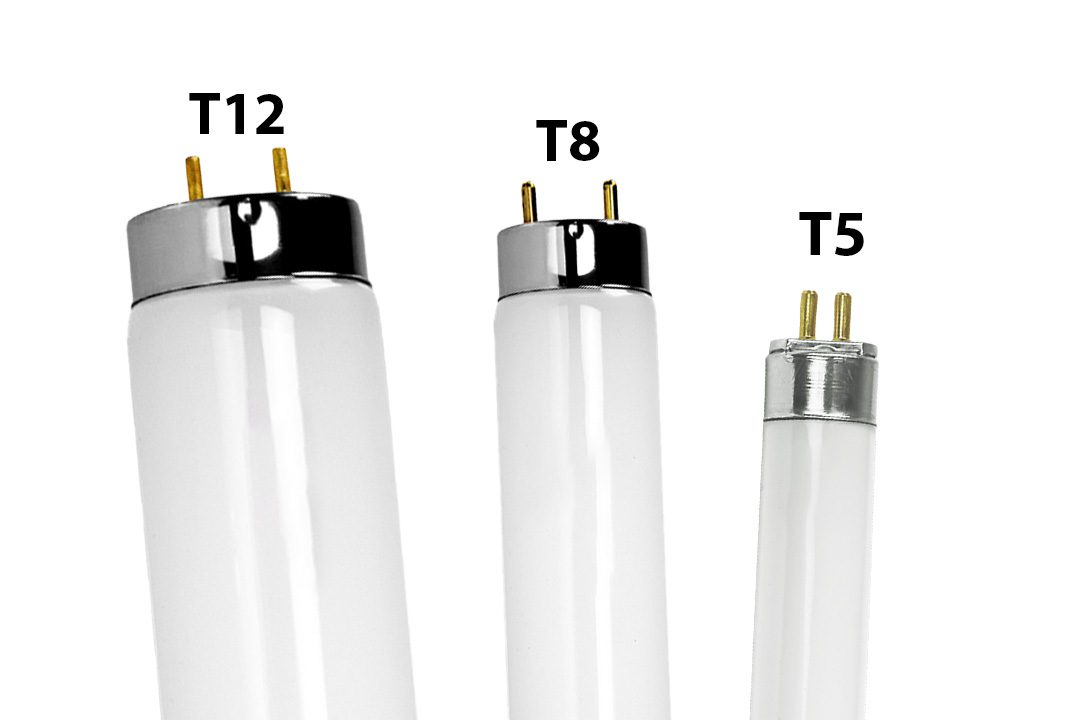
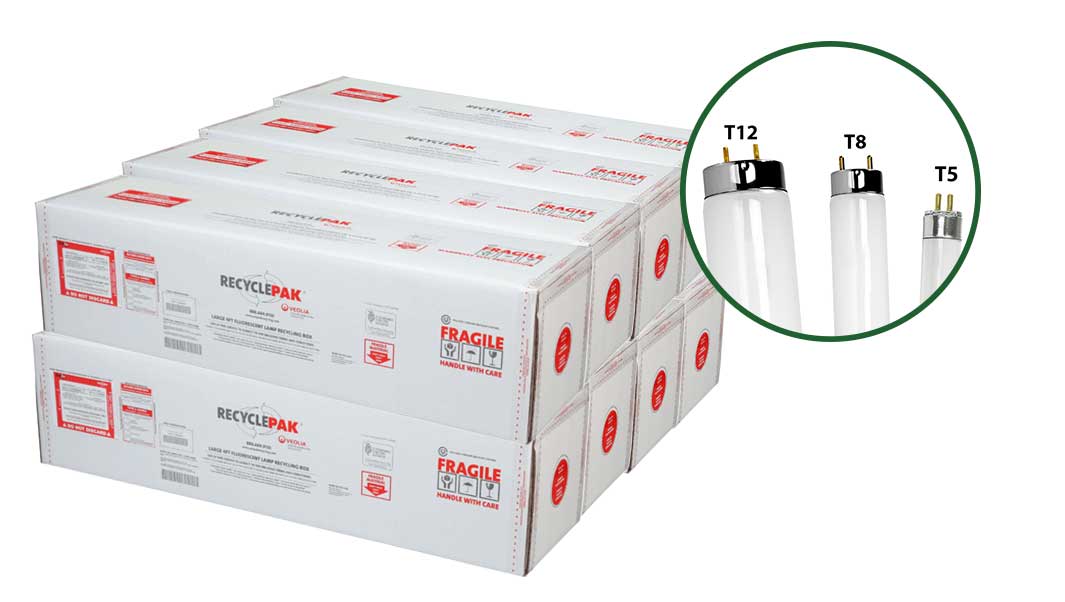
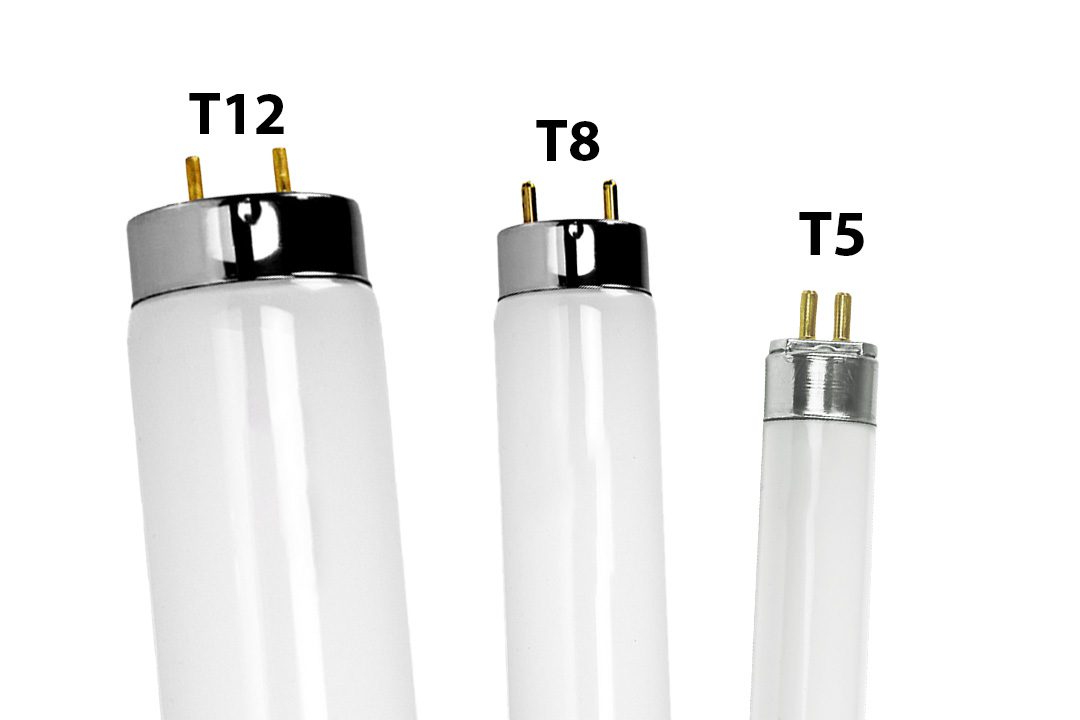
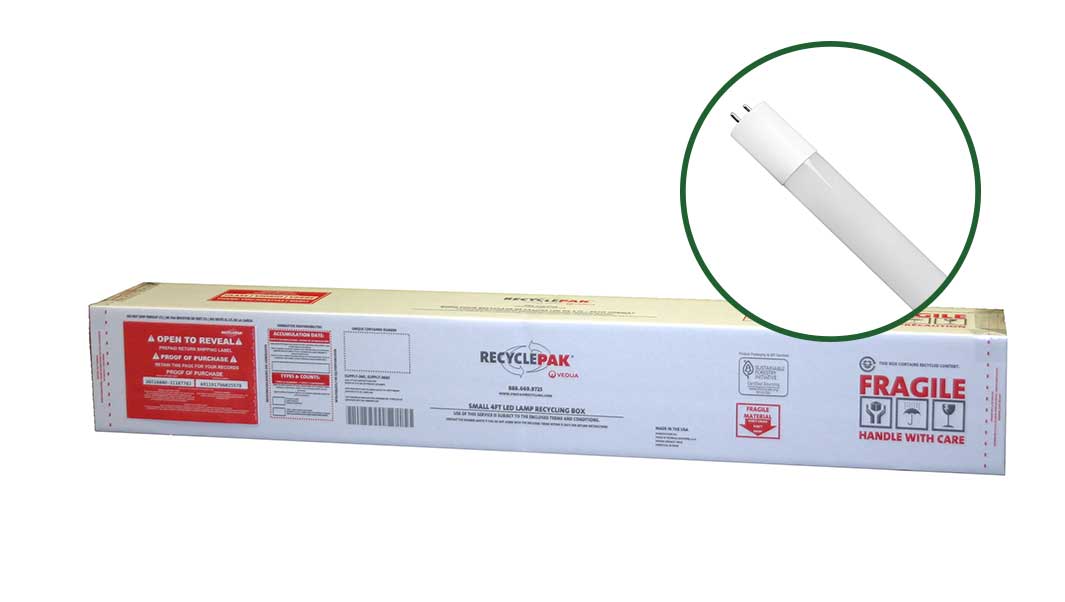
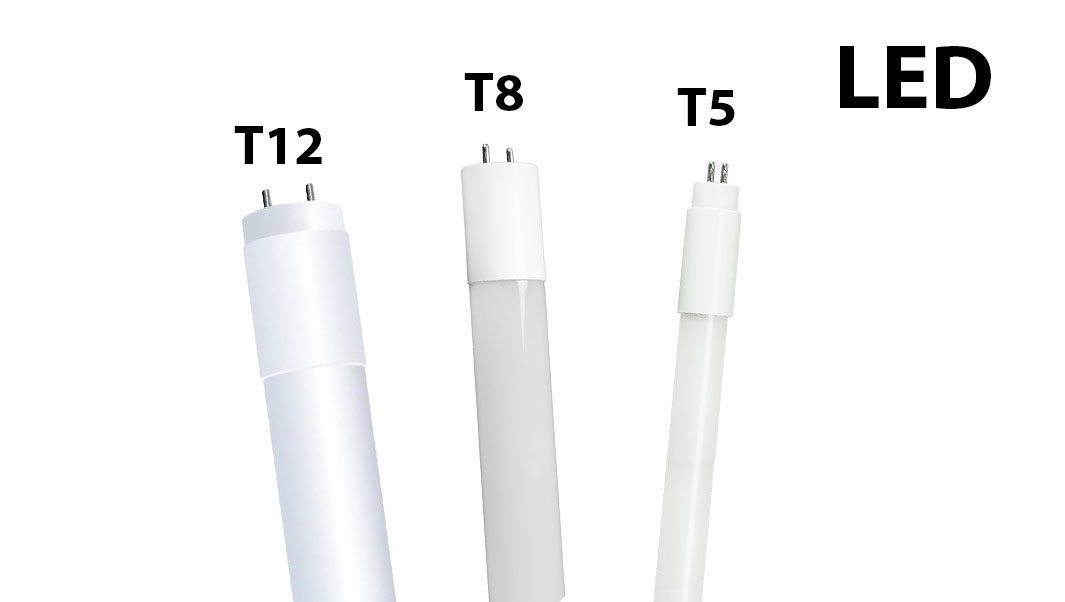
- 4ft tubes: the 4ft Recycling Box LARGE holds 146 T8 or 68 T12 tubes. For a large building, the 10-pack lowers the cost per box.
- 8ft tubes: the 8ft Recycling Box LARGE holds 57 T8 or 25 T12 tubes.
- U-bend tubes: the Large U-Tube / HID box.
- Ballasts: the 5 gallon non-PCB ballast bucket, or the 6.5 gallon pail for intact, non-leaking TSCA-exempt PCB and non-PCB ballasts.
Every kit includes the container with free shipping, a prepaid FedEx return label, recycling, and a certificate of recycling for your records. Not sure which box fits? Call us at 858-412-6536.
This article is a general overview, not legal advice. Check with your state environmental agency for the rules that apply to you.