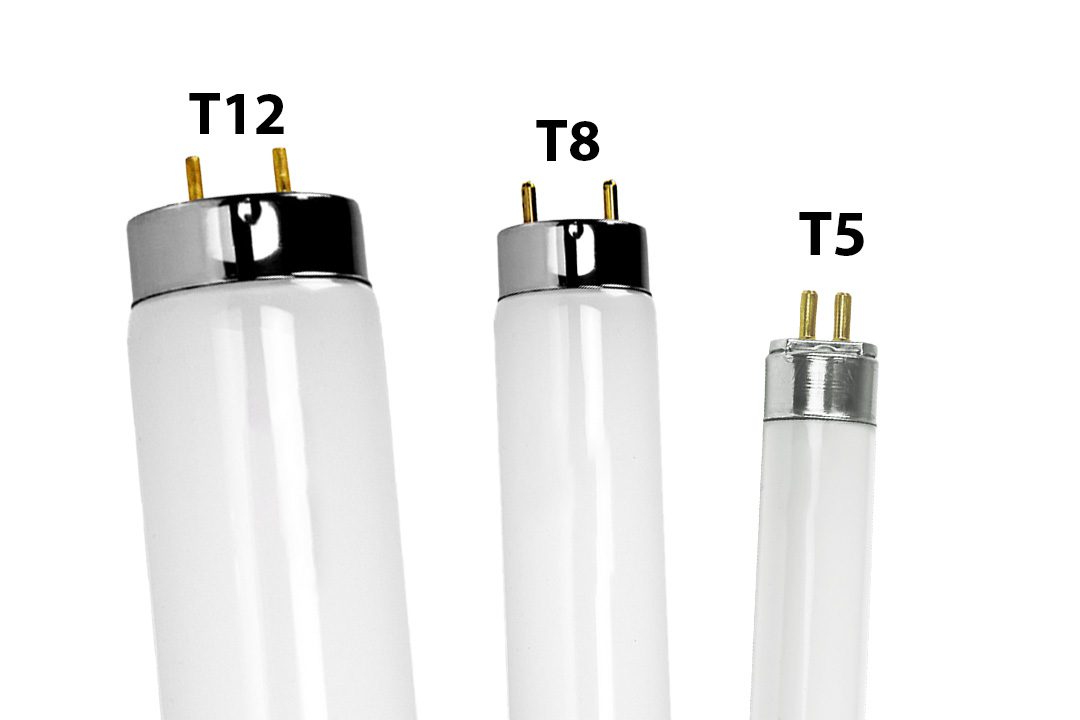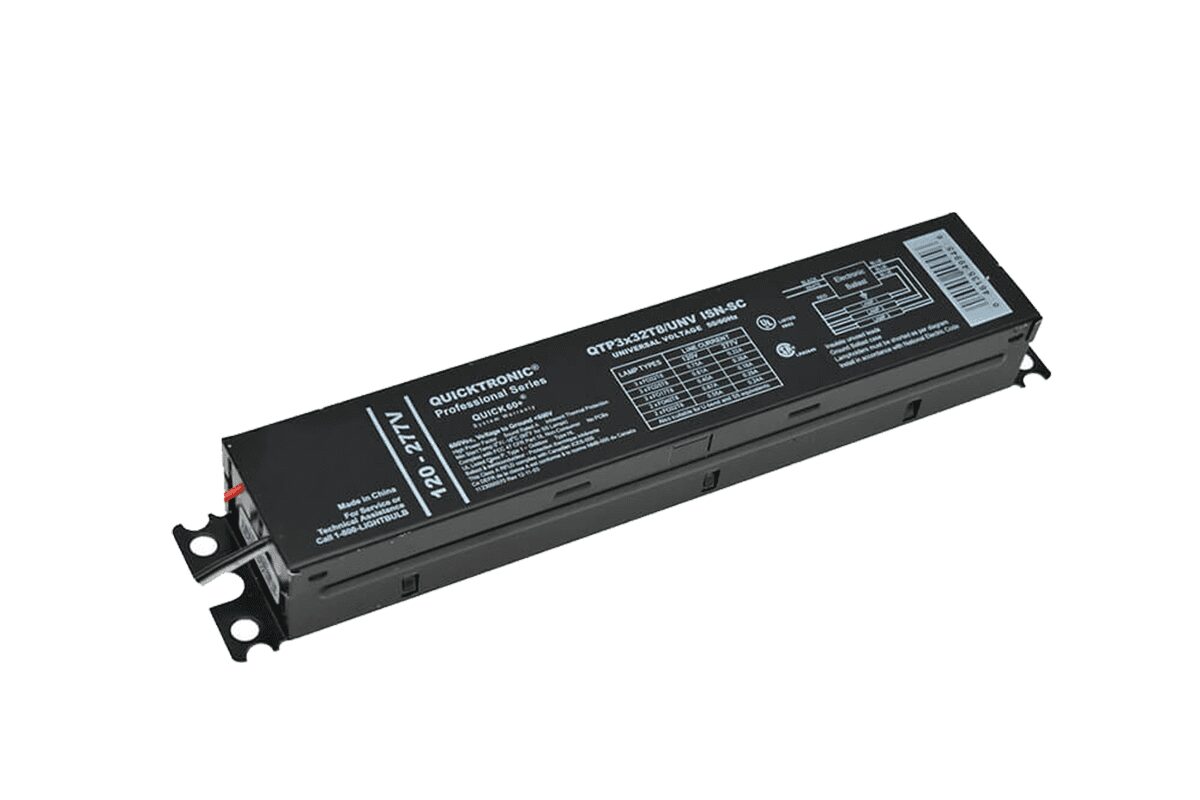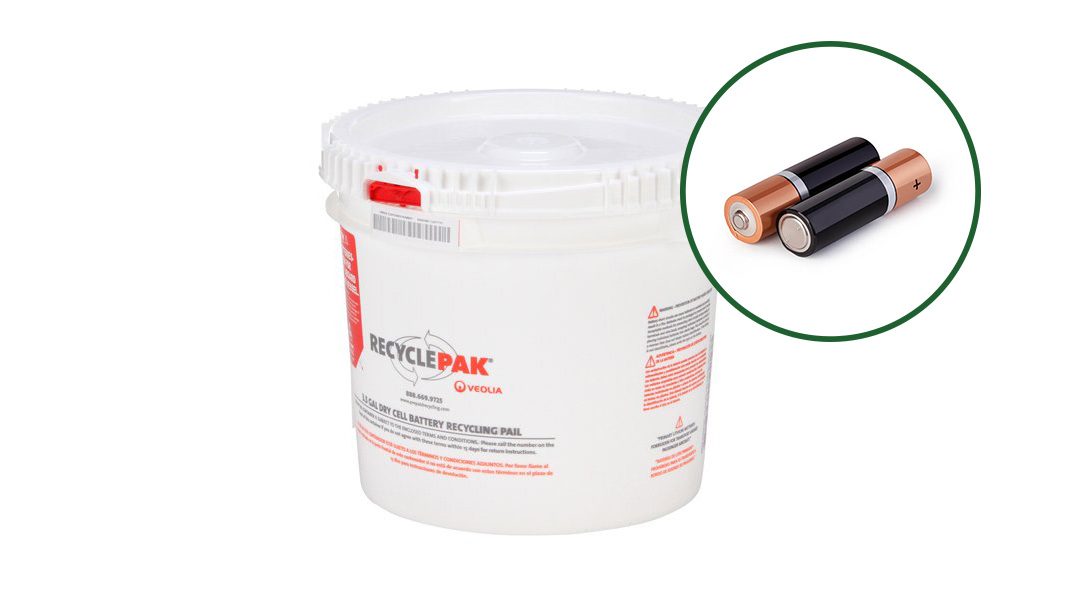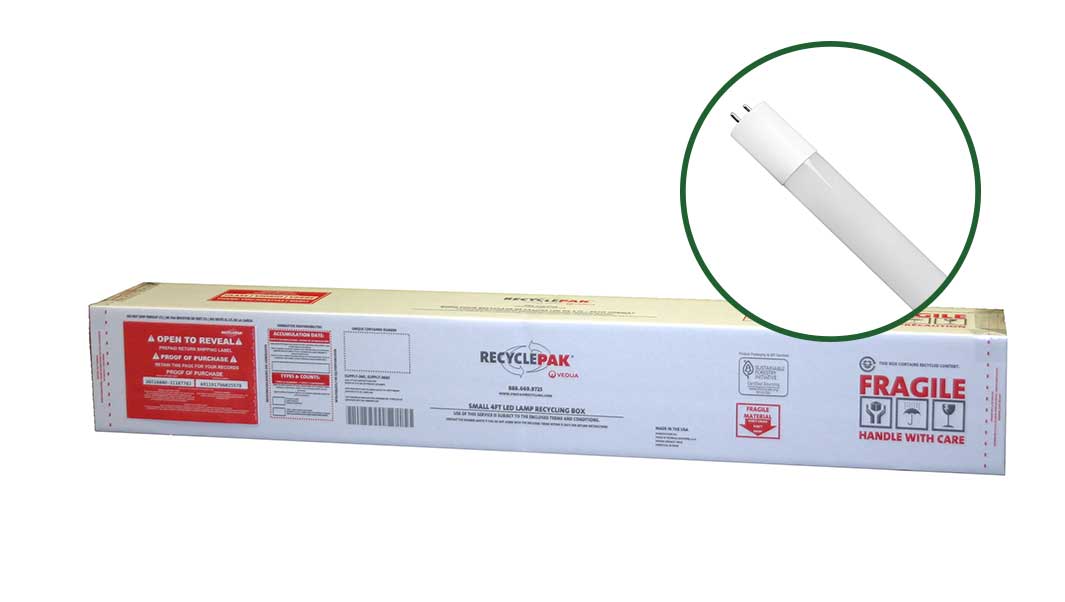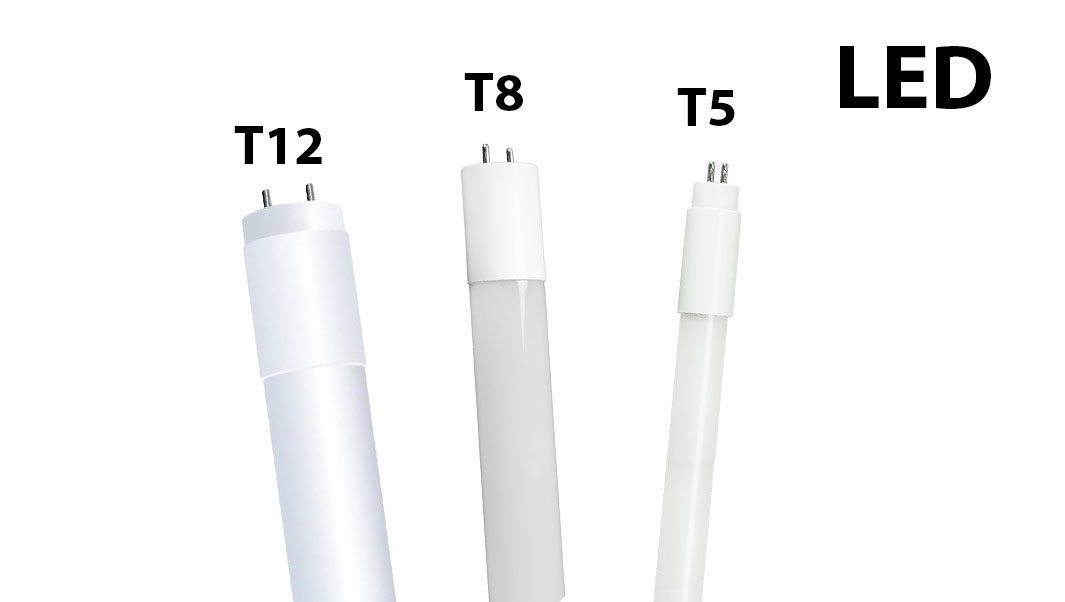
If your facility pulls fluorescent tubes, CFLs, HID lamps or batteries out of service, there's a deadline built into the rules most people never hear about: you generally have one year to get that waste recycled.
Where the rule comes from
Spent lamps that contain mercury are usually hazardous waste. To make recycling easier, the EPA lets businesses manage them under the streamlined Universal Waste Rule (40 CFR Part 273) instead of full hazardous waste regulations. Universal waste includes lamps, batteries, mercury-containing equipment, pesticides and aerosol cans. Some states add more categories.
The trade-off for the lighter paperwork is a few simple conditions. One of the most important is the accumulation time limit in 40 CFR 273.15: a small quantity handler can store universal waste for no longer than one year from the date it becomes waste. Large quantity handlers (5,000 kg or more on site at any one time) have the same one-year limit under 40 CFR 273.35.
There is one narrow exception: a handler may hold universal waste longer than a year only if it's solely to collect enough to recycle, treat or dispose of it properly, and the handler carries the burden of proving that. Most facilities shouldn't count on it.
When does the clock start?
The year starts on the date the item becomes waste (or, if you receive universal waste from another site, the date you receive it). For a lamp, that's when it's removed from service. It does not start when you finally get around to boxing it up. If you collect lamps in a container over time, the clock starts when the first lamp goes in.
You have to be able to prove it
Handlers must be able to show how long the waste has been accumulating. Common ways to do that:
- Write the start date on the container when the first lamp goes in
- Mark the date on each individual lamp
- Keep an inventory log that shows when each item became waste
- Store waste in a dedicated area where the earliest date is identified
- Use any other method that clearly shows how long the waste has been held
The other basics
- Label it. Mark containers "Universal Waste – Lamp(s)," "Waste Lamp(s)" or "Used Lamp(s)."
- Contain it. Keep lamps in closed, structurally sound containers that prevent breakage.
- Clean up breaks right away. Contain any broken lamps immediately.
- Train staff. Employees who handle universal waste need to know proper handling and emergency procedures.
- Don't throw it in the trash. Send it to another universal waste handler or a destination facility for recycling.
State rules can be stricter than the federal rule, so check your state environmental agency too. Our state-by-state pages are a good starting point.
The easiest way to beat the deadline
Many facilities miss the one-year limit simply because nobody owns the job. A mail-back kit makes it a non-event:
- Order a BulbCycle recycling kit sized for what you generate.
- Write the start date on the box when the first lamp goes in.
- When it's full, or well before the one-year mark, seal it and ship it back with the prepaid FedEx label.
- Keep the certificate of recycling on file for inspectors and auditors.
Tip: set a calendar reminder for 10–11 months after your start date. If the box isn't full by then, ship it anyway.
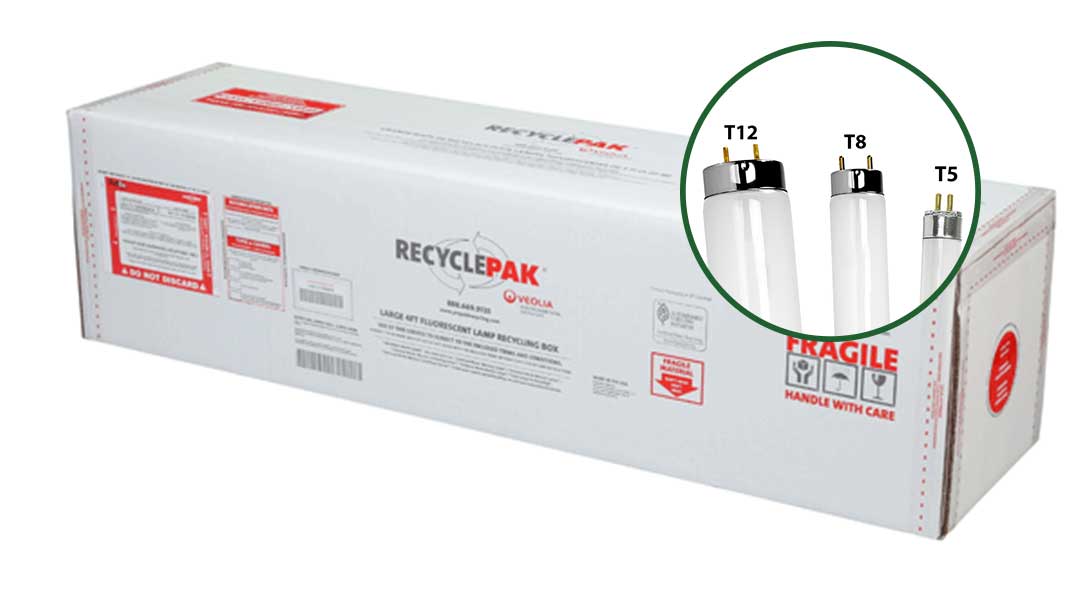
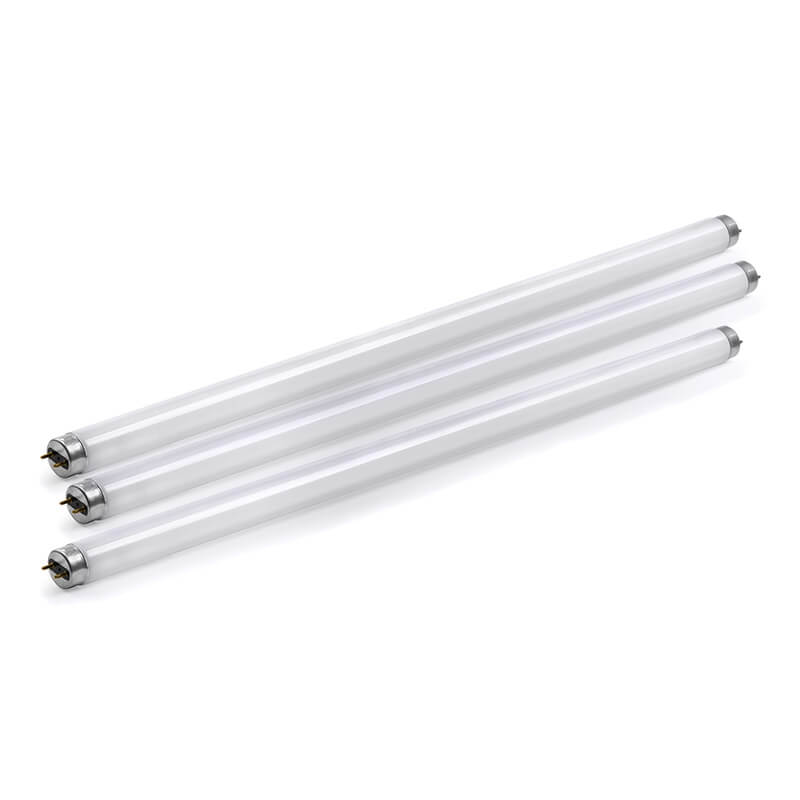
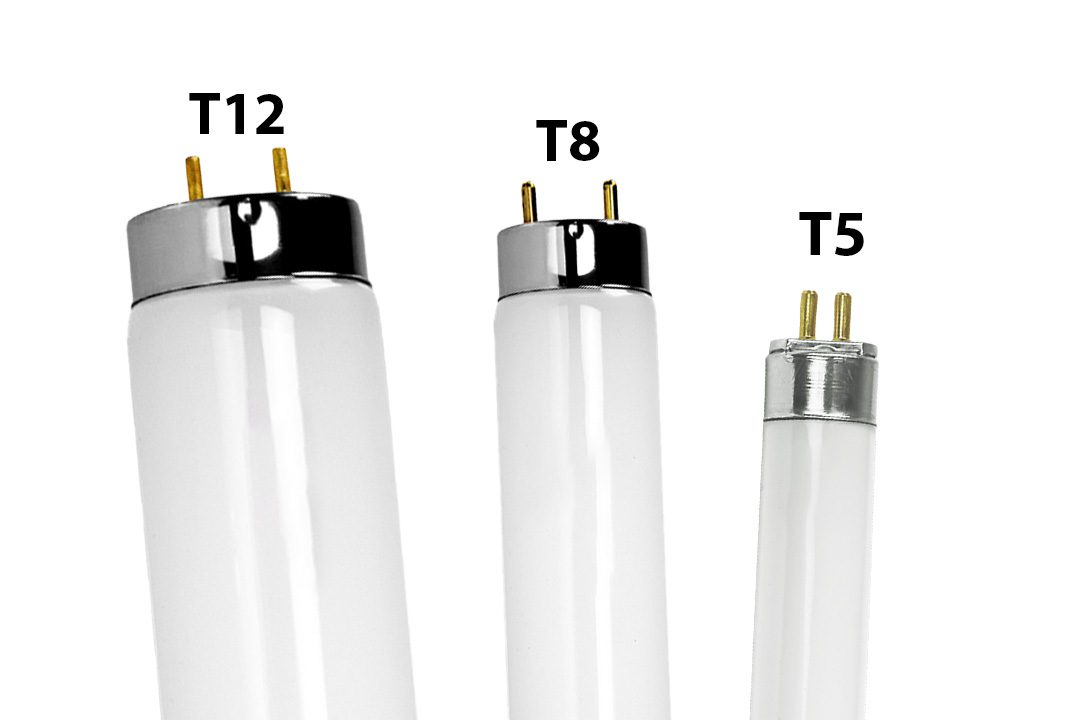
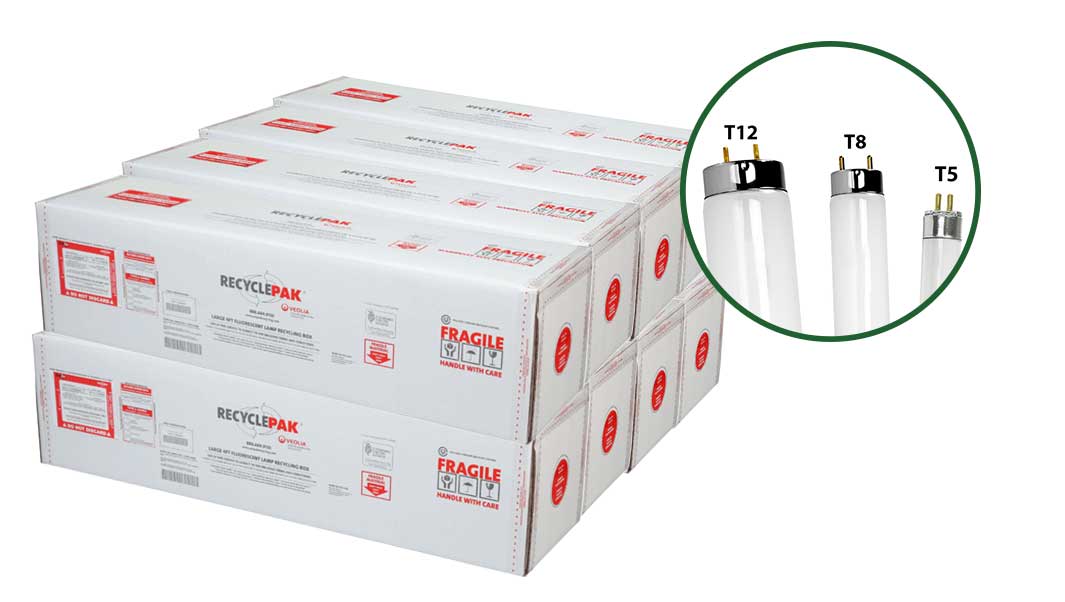
Most popular kit: the 4ft Fluorescent Lamp Recycling Box (LARGE) holds 146 T8 or 68 T12 tubes, with free shipping, a prepaid return label and a certificate of recycling. Have batteries too? See our battery recycling kits.
Questions about which kit fits your facility? Call us at (858) 412-6536 or email info@bulbcycle.com.
This article is general information, not legal advice. Sources: 40 CFR 273.15 and 273.35 (accumulation time limits); U.S. EPA Universal Waste program; state universal waste regulations.