
FLUORESCENT & LED BULB RECYCLING IN FLORIDA
BulbCycle makes recycling light bulbs and universal waste in Florida easy with our mail-back kits for businesses.
Safely dispose of fluorescent tubes, CFLs, LED bulbs, batteries, and e-waste today.

Looking for Recycling Kits?
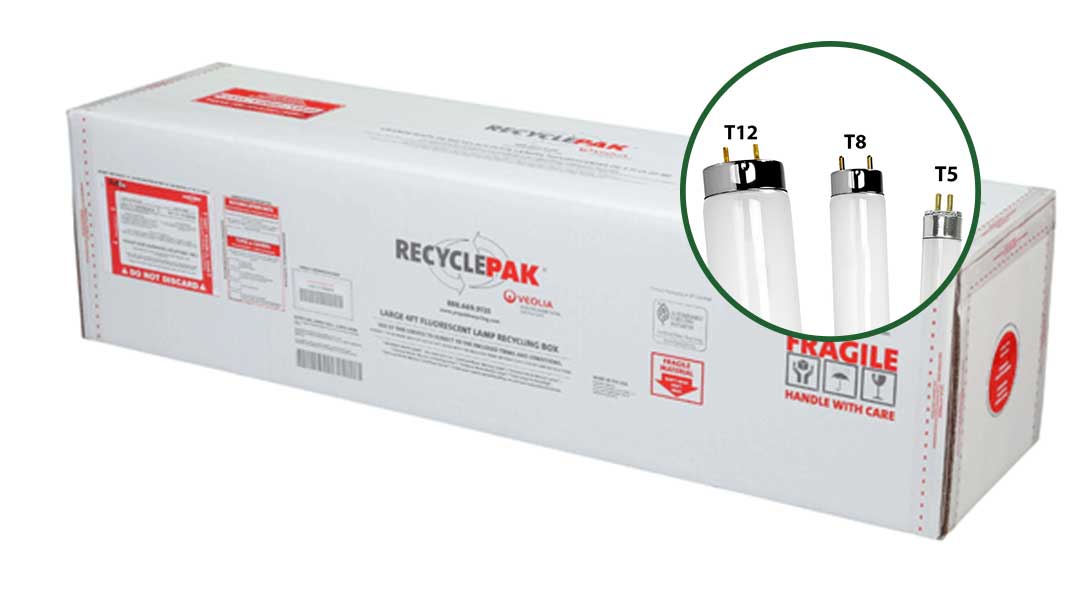
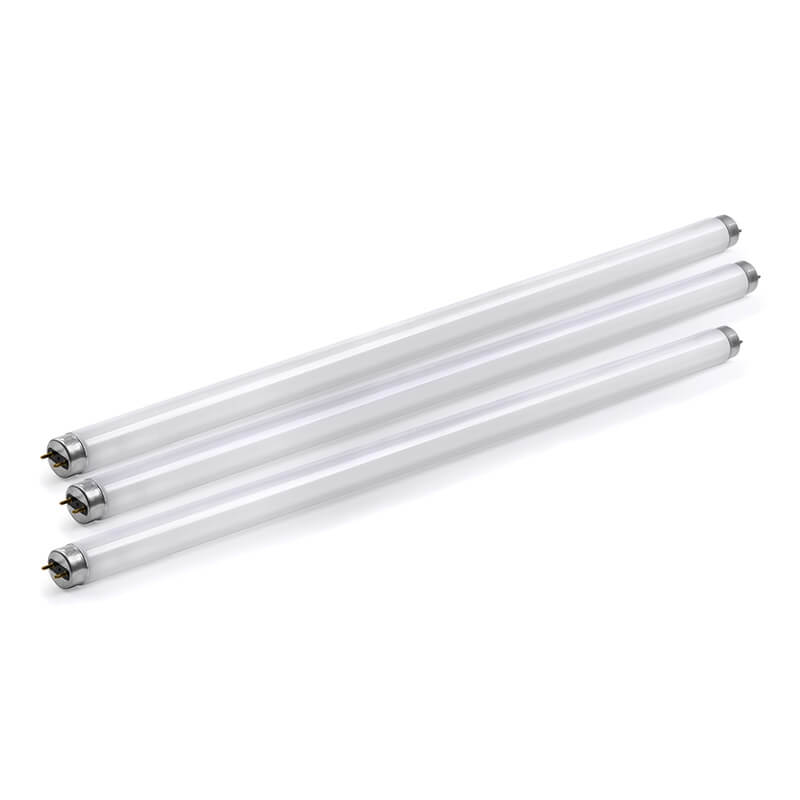
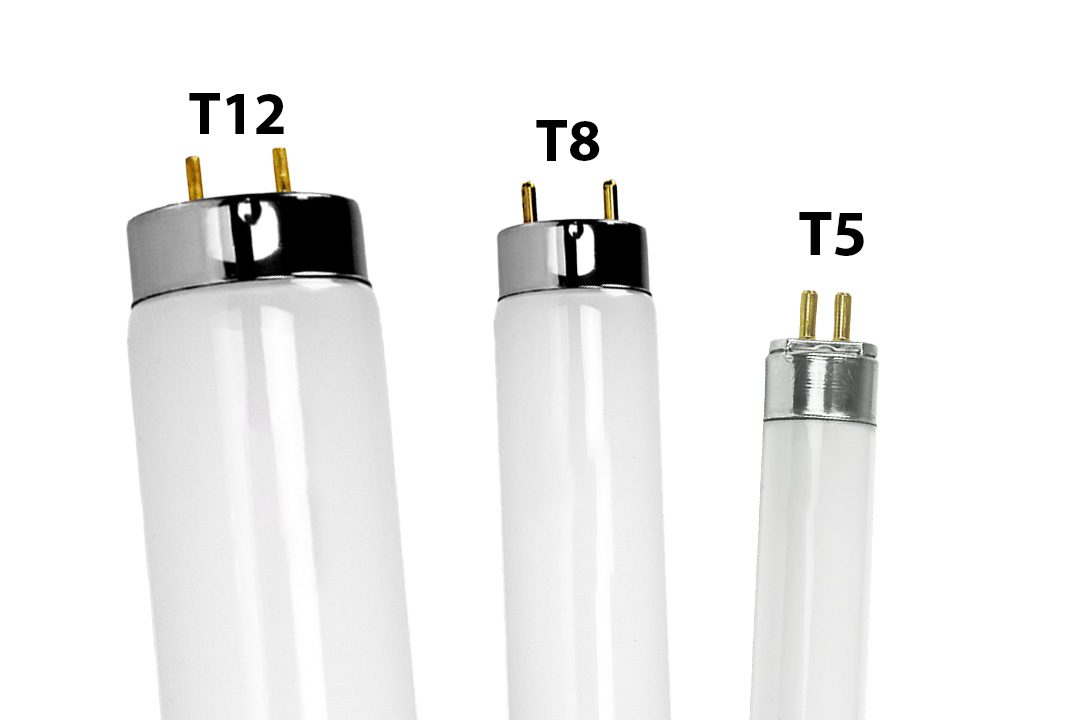
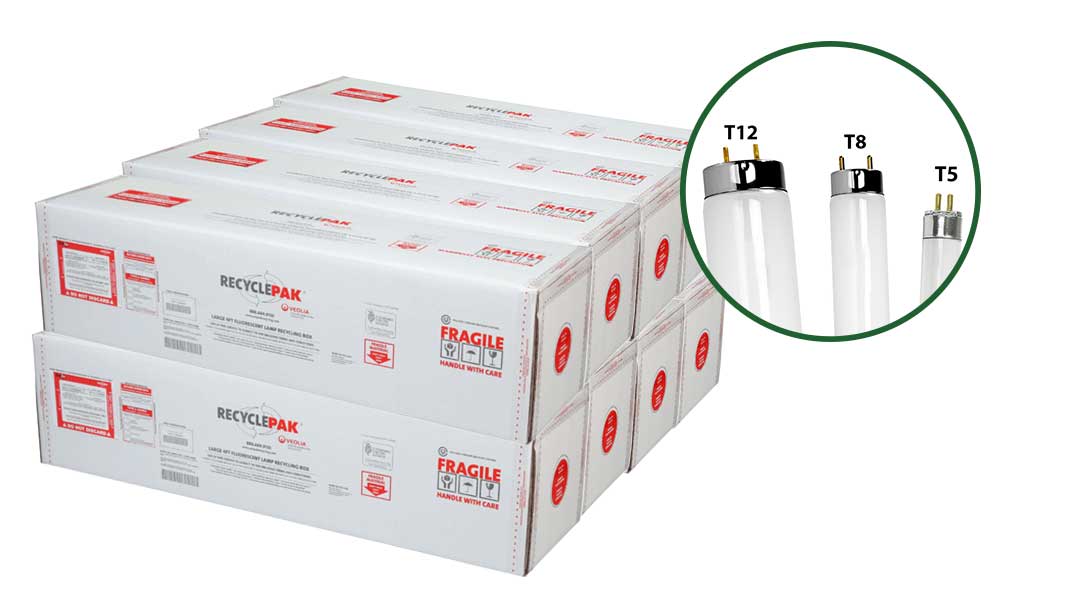
Here are our top sellers

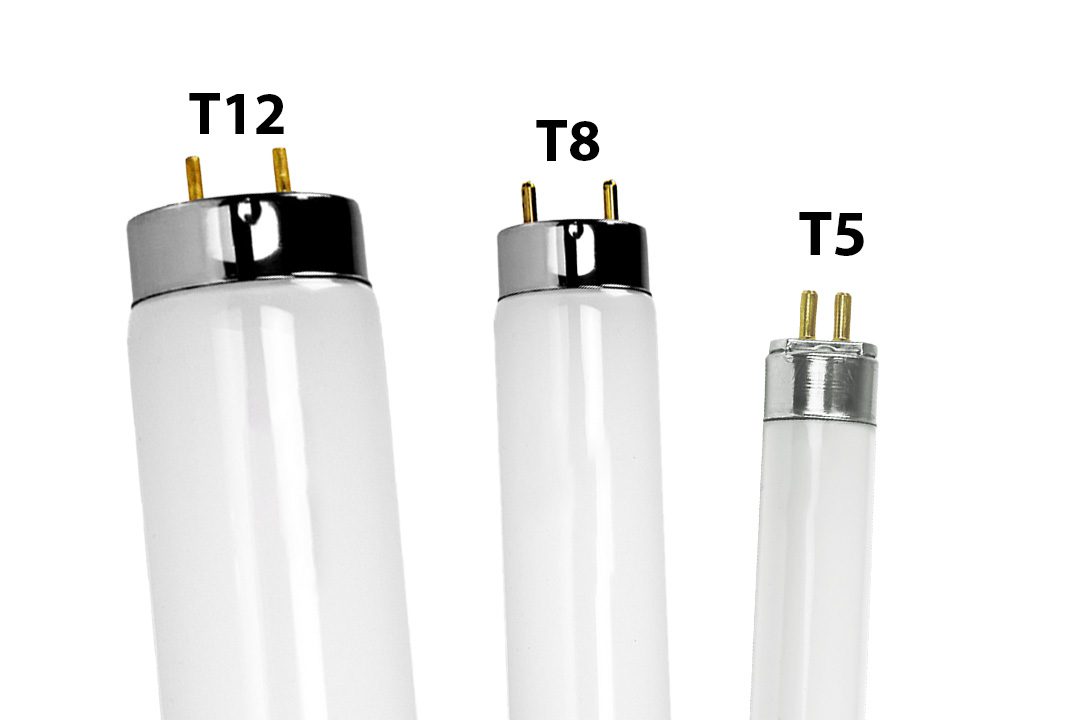

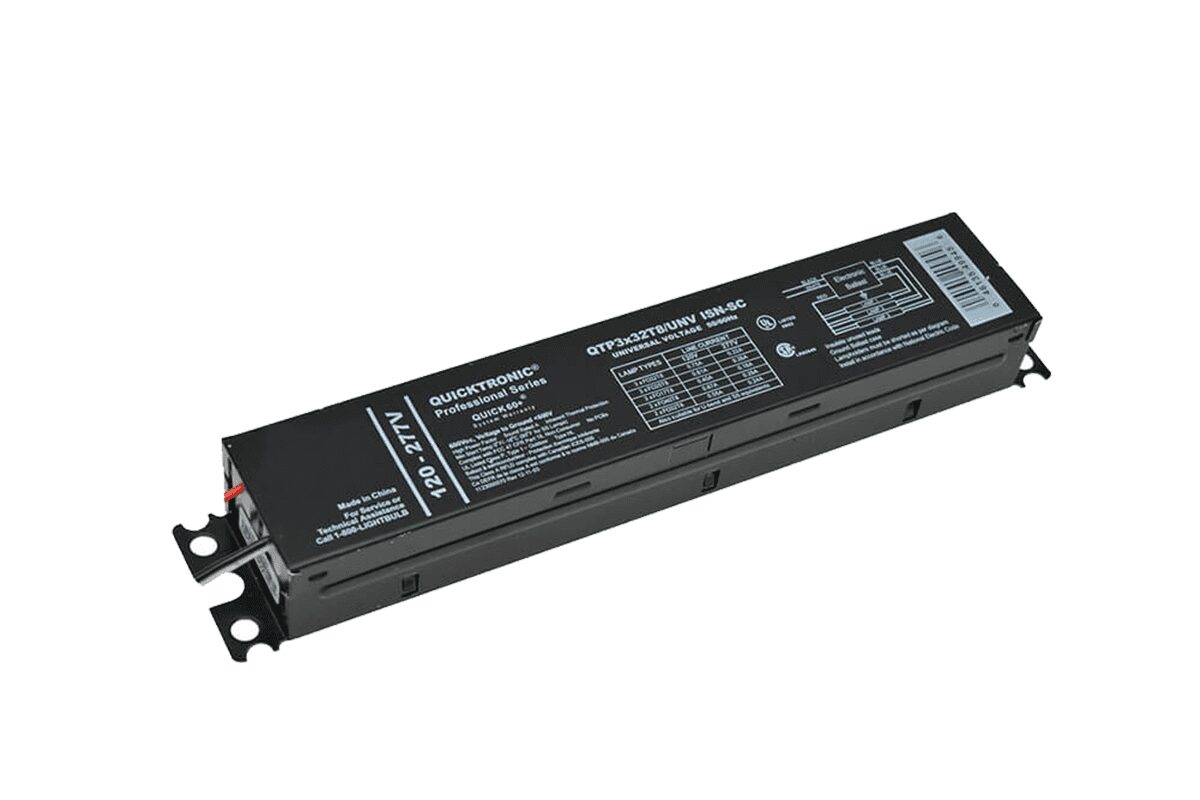
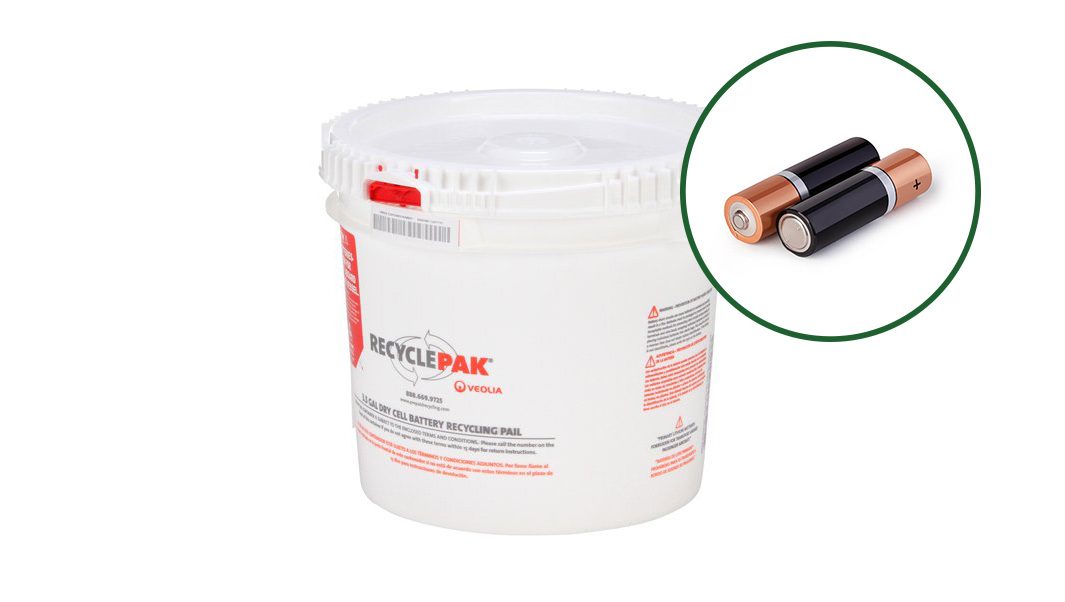
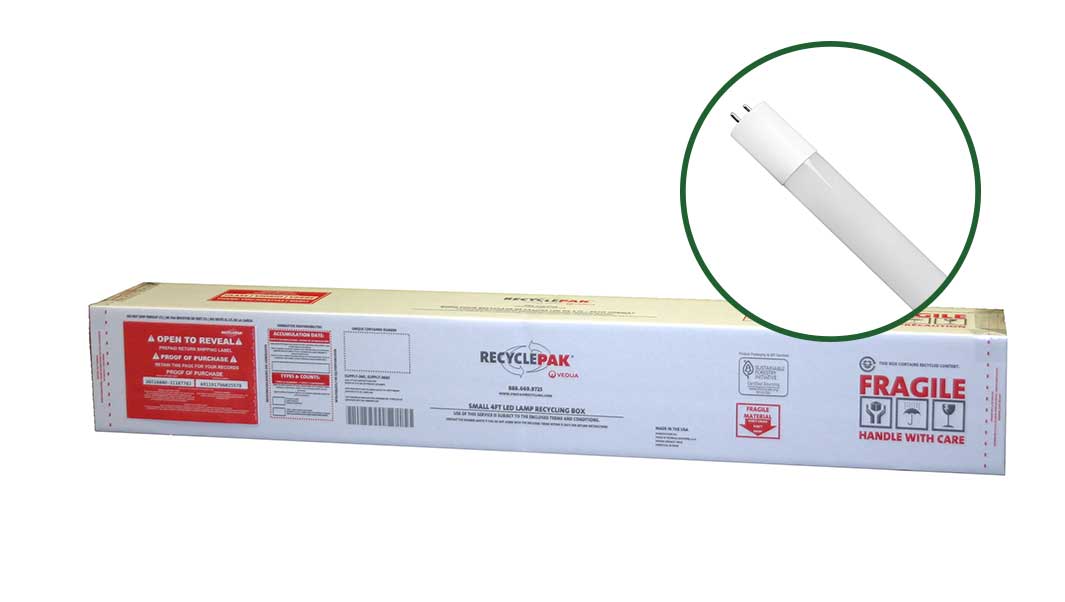
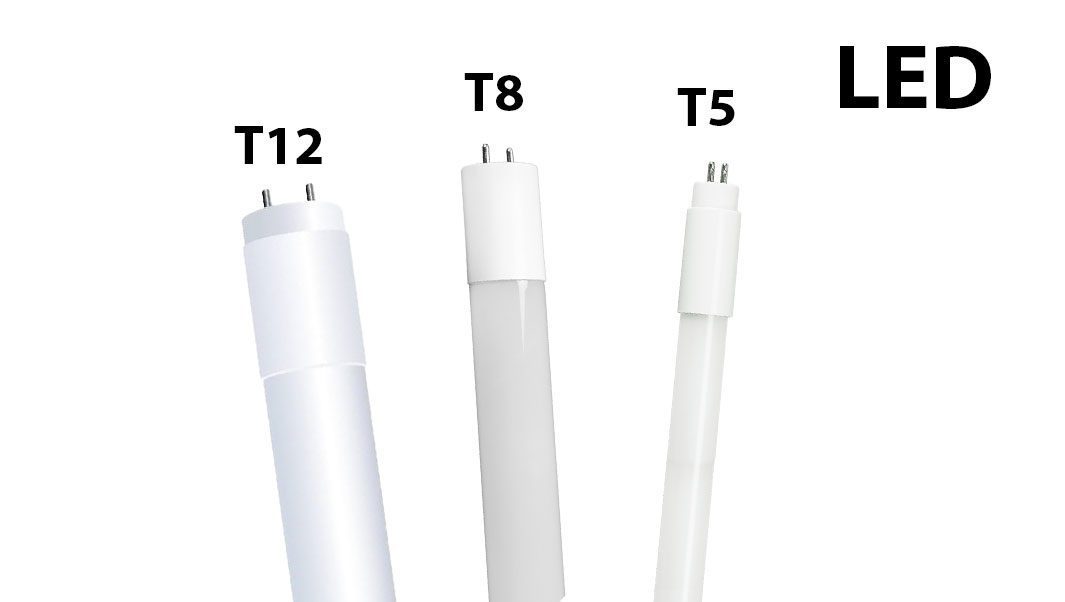
HOW IT WORKS
Recycle your universal waste in 4 easy steps
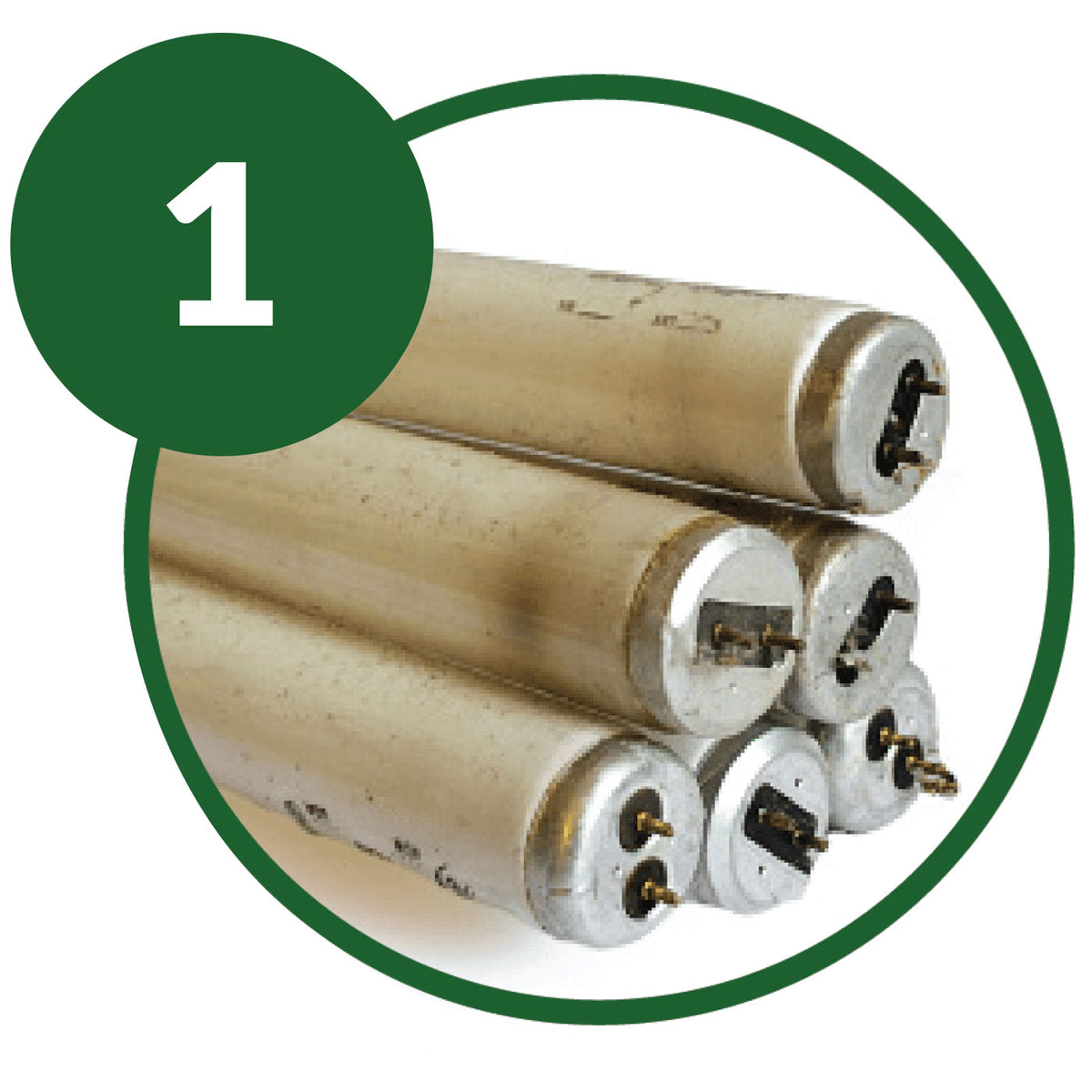
1
Order a certified recycling kit based on what you need to dispose of
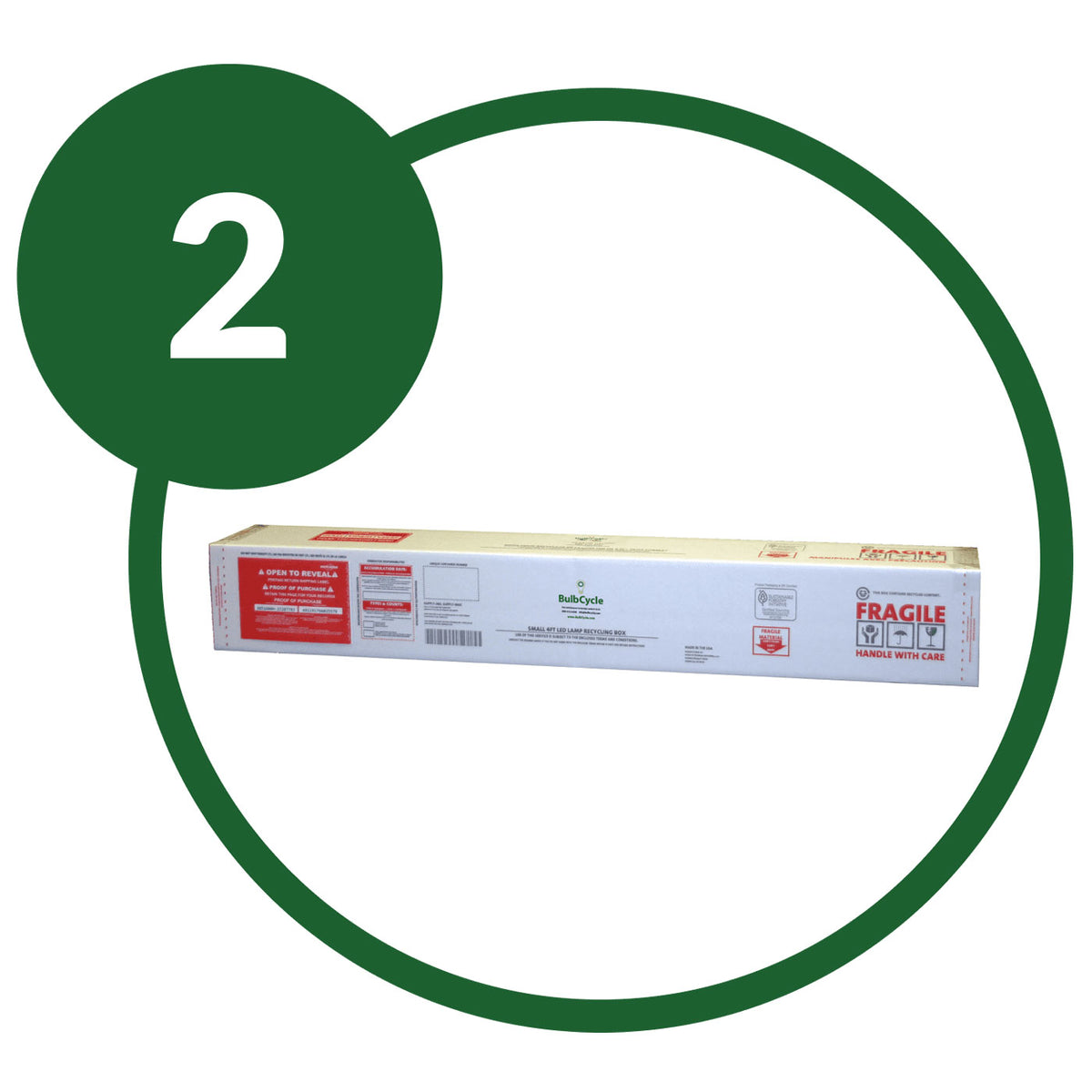
2
We will send the kit to you with free shipping. Fill it up at your own convenience.
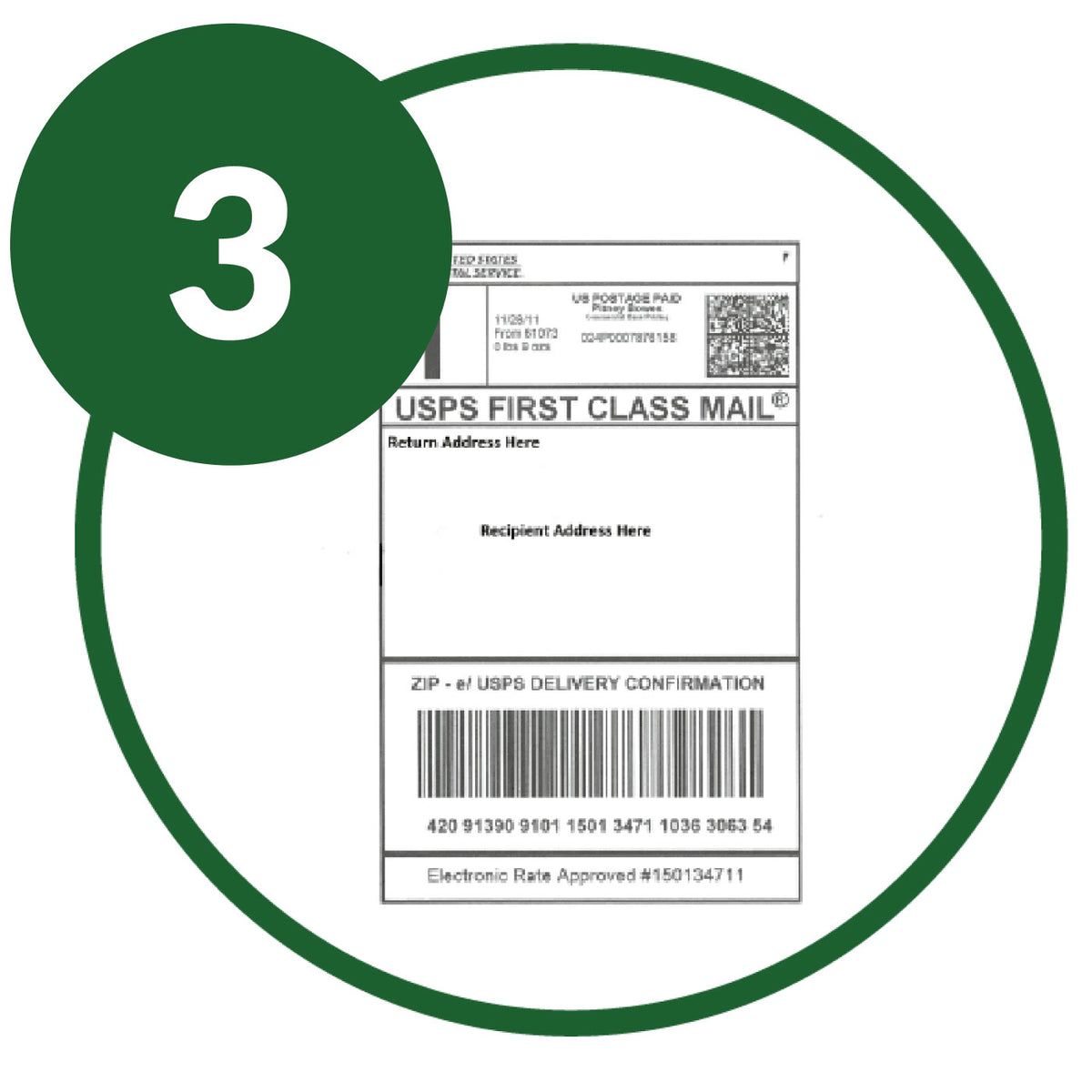
3
When it is full, add your included shipping label and call FedEx for pickup
4
Once we receive the kit and dispose of the material you can access your Certificate of Recycling
Our customers love us!
Zeke Hanscom
Testimonial
Wow, had all these fluorescent tubes left over from converting the house to LED bulbs. The high mercury content is not good for landfill disposal. Ordered a Standard box, and when it arrived, I was able to safely dispose of all my tubes. Simple and easy to use, and helps the environment. Great customer service. Andrew really helped me a great deal.
Troy Patt
Testimonial
Great company to work with for all your bulb and ballast recycling needs. Great pricing!
WHY RECYCLE?
Fluorescent and LED bulbs are commonly used in homes, businesses, and industries, but their disposal can pose a significant environmental challenge.
Proper recycling of fluorescent and LED bulbs is crucial to prevent harmful chemicals, such as mercury, from leaking into the environment and to reduce landfill waste. At BulbCycle, we make recycling fluorescent, CFL, LED bulbs and more easy and safe.
Learn MoreFluorescent & LED Bulb Recycling In Florida | BulbCycle
Florida Regulations
Learn more about universal waste regulations in the state of Florida at the Department of Toxic Substances Control website.
Universal Waste Regulations in Florida are designed to streamline the management and disposal of certain hazardous wastes that are commonly generated by a wide range of businesses and institutions. These regulations fall under the broader framework of the U.S. Environmental Protection Agency’s (EPA) Universal Waste Rule, but Florida’s Department of Environmental Protection (FDEP) has tailored specific rules to address the state’s unique environmental needs. Universal waste includes items such as batteries, pesticides, mercury-containing equipment, and certain types of lamps (like fluorescent bulbs). The primary goal of these regulations is to reduce hazardous waste in landfills, promote recycling, and simplify compliance for businesses while protecting the environment.
In Florida, generators of universal waste are classified as either small or large quantity handlers, depending on the amount of waste they produce. Small Quantity Handlers (SQHs) manage less than 5,000 kilograms of universal waste at any given time, while Large Quantity Handlers (LQHs) manage more. Both categories are subject to specific labeling, storage, and transportation requirements to ensure that universal waste is handled safely and responsibly. For instance, universal waste must be clearly labeled (e.g., “Universal Waste – Batteries”) and stored in containers that are closed, structurally sound, and compatible with the waste to prevent leaks or spills.
Overall, Florida’s universal waste regulations aim to simplify hazardous waste management for businesses while ensuring environmental protection. By providing clear guidelines for handling, storing, and disposing of universal waste, the state helps reduce the risks associated with hazardous materials and promotes sustainable waste management practices. As the state continues to grow and develop, these regulations play a crucial role in balancing economic activity with environmental stewardship, particularly in industries like construction, healthcare, and manufacturing, which generate significant amounts of universal waste.
Residents are required to take these items to authorized recycling facilities, household hazardous waste collection events, or designated universal waste handlers. This regulation ensures that hazardous components are safely managed to protect human health and the environment.
Why is Recycling Fluorescent & LED Bulbs Important?
Recycling fluorescent and LED bulbs properly is vital for several key reasons:
Fluorescent bulbs, including compact fluorescent lamps (CFLs), contain mercury, a toxic substance that can contaminate soil and water if disposed of improperly. Recycling these bulbs prevents mercury from ending up in landfills and leaching into the environment.
LED bulbs, while not as hazardous as fluorescent bulbs, still contain electronic components that need to be handled responsibly. Recycling both fluorescent and LED bulbs ensures that toxic materials are properly separated and do not contribute to hazardous waste buildup.
Fluorescent and LED bulbs contain valuable materials like glass, metals, and phosphor coatings that can be reused in the production of new bulbs or other products. Recycling helps conserve natural resources by reducing the need for virgin materials.
Many states have strict laws about the disposal of universal waste, including fluorescent and LED bulbs. Under hazardous waste regulations, these items must not be thrown away with regular trash. Recycling helps businesses comply with the law and avoid fines.
Call us today!
858-412-6536
About BulbCycle
At BulbCycle, we understand the importance of adhering to environmental regulations, which is why our kits ensure your waste is handled and recycled responsibly, minimizing harm to the environment.
Learn More